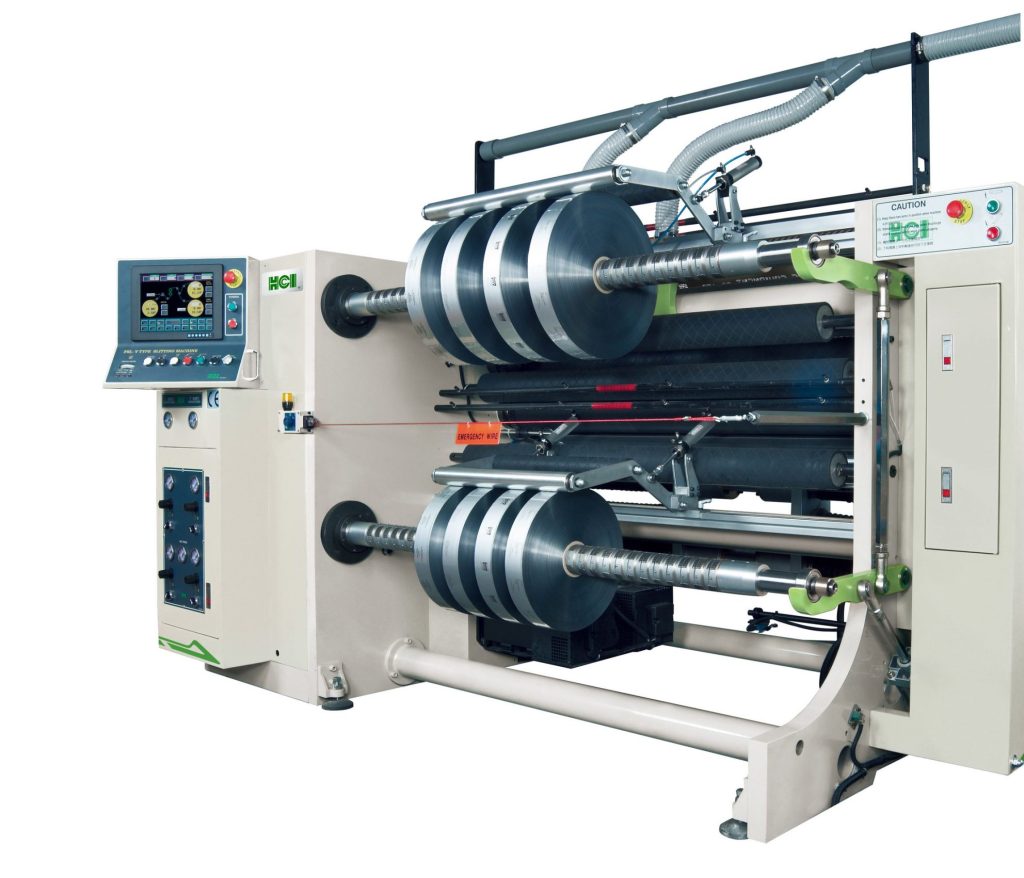
In the face of growing environmental concerns and heightened consumer awareness, the paper cup manufacturing industry is evolving rapidly to align with the demands of a greener future. Today’s future-ready paper cup manufacturing combines exceptional product quality with a firm commitment to environmental responsibility, fostering a new era of sustainable solutions for beverage consumption. The shift is driven by the urgent need to reduce plastic waste, improve recyclability, and minimize the environmental footprint of disposable products. Advanced technologies and innovative materials are at the core of this transformation, enabling the development of paper cups that are not only sturdy and efficient for hot and cold beverages but also designed to biodegrade more easily or be recycled within existing waste management systems. One of the most significant advancements in this sector is the replacement of traditional plastic linings with water-based or compostable alternatives. These new coatings maintain the liquid resistance and durability that users expect while making the cups more compatible with recycling facilities or composting operations.
This transition represents a critical step forward, addressing the longstanding issue of single-use paper cups ending up in landfills due to their plastic content. Furthermore, manufacturers are investing in cleaner production methods, incorporating renewable energy sources and reducing water consumption during the manufacturing process. Such changes not only cut down on emissions and resource depletion but also set a new standard for environmentally conscious production in the packaging industry. Equally important is the emphasis on responsible sourcing of raw materials. Future-ready paper cup production relies heavily on paper sourced from sustainably managed forests or recycled paper pulp, ensuring that the supply chain does not contribute to deforestation or ecological degradation. Certifications and chain-of-custody practices play a vital role in verifying the integrity of these paper food container manufacturers sourcing methods, reinforcing the environmental credibility of the final product. In addition, lightweighting techniques have been adopted to reduce the overall material usage without compromising strength or functionality, further decreasing the environmental impact across the product’s lifecycle.
Consumer engagement and education also form a key part of the movement toward future-ready paper cup manufacturing. Clear labeling, disposal instructions, and transparency around the environmental benefits of these cups help promote responsible consumer behaviour and support broader recycling initiatives. Partnerships with waste management and composting services are also being developed to improve end-of-life outcomes for the products, ensuring that the sustainability efforts made during production carry through to disposal. The industry’s transition toward future-readiness is also closely aligned with regulatory changes and policy frameworks that encourage or mandate reductions in single-use plastics and carbon emissions. By anticipating these regulations and taking proactive steps, paper cup manufacturers usa position themselves to remain competitive while contributing positively to global sustainability goals. Ultimately, the integration of quality and environmental responsibility in paper cup manufacturing is not just a trend, but a necessary evolution. As demand for sustainable food and beverage packaging continues to rise, the industry’s ongoing commitment to innovation, eco-conscious design, and ethical production practices ensures that paper cups of the future are better for both people and the planet.